AGP Executive Report
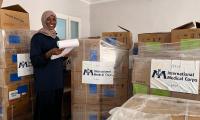
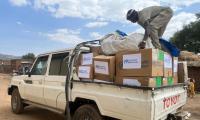
Last update: 10 hours agoSudan–Chad Refugee Pressure: Chad is hosting more than 900,000 Sudanese refugees since April 2023, with over 80% women and children—raising urgent strain on healthcare, protection, and schooling while tensions can grow where jobs and land are scarce. Darfur Medical Supply Routes: Aid groups including Airlink moved 6.7 tonnes of temperature-sensitive medicines through Chad into West Darfur to support hospitals and clinics, showing how permits, security checks, and weather can make or break lifesaving care. Cross-Border Security and Health Risks: Chad’s army put forces on high alert after drones and aircraft linked to Sudan’s war bombed a convoy inside Ennedi-Est on Aug 20, reigniting fears of wider conflict spilling into health and humanitarian operations. UN Arms Embargo Push: The US is urging the UN Security Council to expand the Darfur arms embargo nationwide across Sudan and cover drones, but Khartoum rejects it and Russia/China could block any deal. Aid Workers Under Fire: UN-linked reporting highlights how drones are driving civilian deaths and how aid workers face killings, abductions, and attacks—one volunteer was killed near the Chadian border while delivering assistance. Mining Safety and Public Health: In the Central African Republic, a landslide at the Zamboye artisanal gold mine killed at least 49 (local sources say around 100), with survivors’ search hampered by heavy rains and limited rescue capacity; the site was temporarily closed and an investigation opened. Political Rights in Chad: Human Rights Watch says Chad should set aside the conviction of opposition leader Succès Masra after his release on a presidential pardon, arguing the original case targeted political expression.
Note: AI summary from news headlines; neutral sources weighted more to help reduce bias in the result. Feedback is welcome. Please let us know if you have any comments or suggestions about the AGP Executive Report.
 Perspectify News